
 UA
UA News and Events
Countering human trafficking in Ukraine since 2011
Important and necessary information! Let’s fight for freedom together!
How to Talk to a Child About Violence
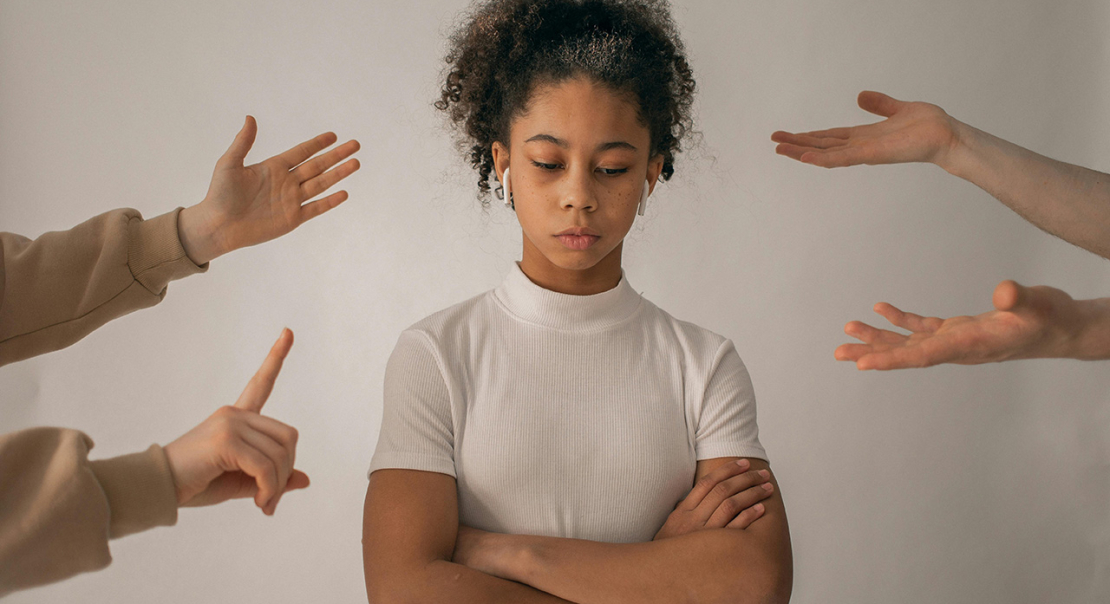
Conversations about violence – one of the most sensitive topics in parenting
Parents often fear “frightening,” “giving too much,” or “overloading.” But the reality is simple: we do not create risk when we inform a child. We create risk when we remain silent.
Children encounter aggression far more often than we assume. Therefore, our task is not to “shield them from knowledge,” but to provide a framework of safety, language, and rules a child can rely on. Experts from the Charitable Foundation “Liubystok” provide further details.

A child needs to be spoken to about violence directly, because:
- children know more than we think: through social media, schools, and friends;
- silence creates a sense that “this cannot be talked about,” and the child will not seek help;
- honest, calm explanations reduce anxiety and chaotic fantasies;
- information is a tool for survival and self-protection;
- a child has the right to know that violence is always the responsibility of the perpetrator, not the victim.
The foundation of the conversation must be the creation of a safe space.
Four conditions are essential here:
- a trusted adult – the person who speaks is someone the child trusts, who responds calmly and does not shame;
- a safe place – a calm atmosphere, no outsiders present, the opportunity to sit nearby and offer physical reassurance;
- time – the conversation is not “on the go”: the child has the opportunity to return to the topic;
- connection – simple language, pauses, open-ended questions:
- “What do you think about this?”, “How do you feel when you hear this?”.
For a child to be able to recognize danger, they need a clear understanding of the forms of violence explained in language appropriate to their age.
 Counter–Trafficking NGO Coalition
Press Service
Domestic Violence. Explanation for Children:
Domestic violence is when an adult in the family causes serious harm to others through words, actions, or control.
This can include: yelling, humiliating, hitting, forbidding, locking, threatening, frightening, manipulating.
Key message: this is not normal, it is not a “family matter,” and it is not the child’s fault.



Physical Violence
Important for a child to know:
No one has the right to hit, push, pull, or twist their arms. Pain is not a method of upbringing. Even if an adult says, “I’m doing this for you” – that is not true.
Sexual violence. This is the most difficult topic, but it cannot be avoided.
Formulations that work:
- there are parts of the body that no one has the right to touch: swimsuit/underwear area;
- if someone asks to show the body, touches, or requests photos – it is always wrong;
- a child has the right to say “NO” to any adult, even a close relative;
- if something happens, the one who touched is responsible, not the child;
- “bad secrets” should not be kept – they must be told to an adult.
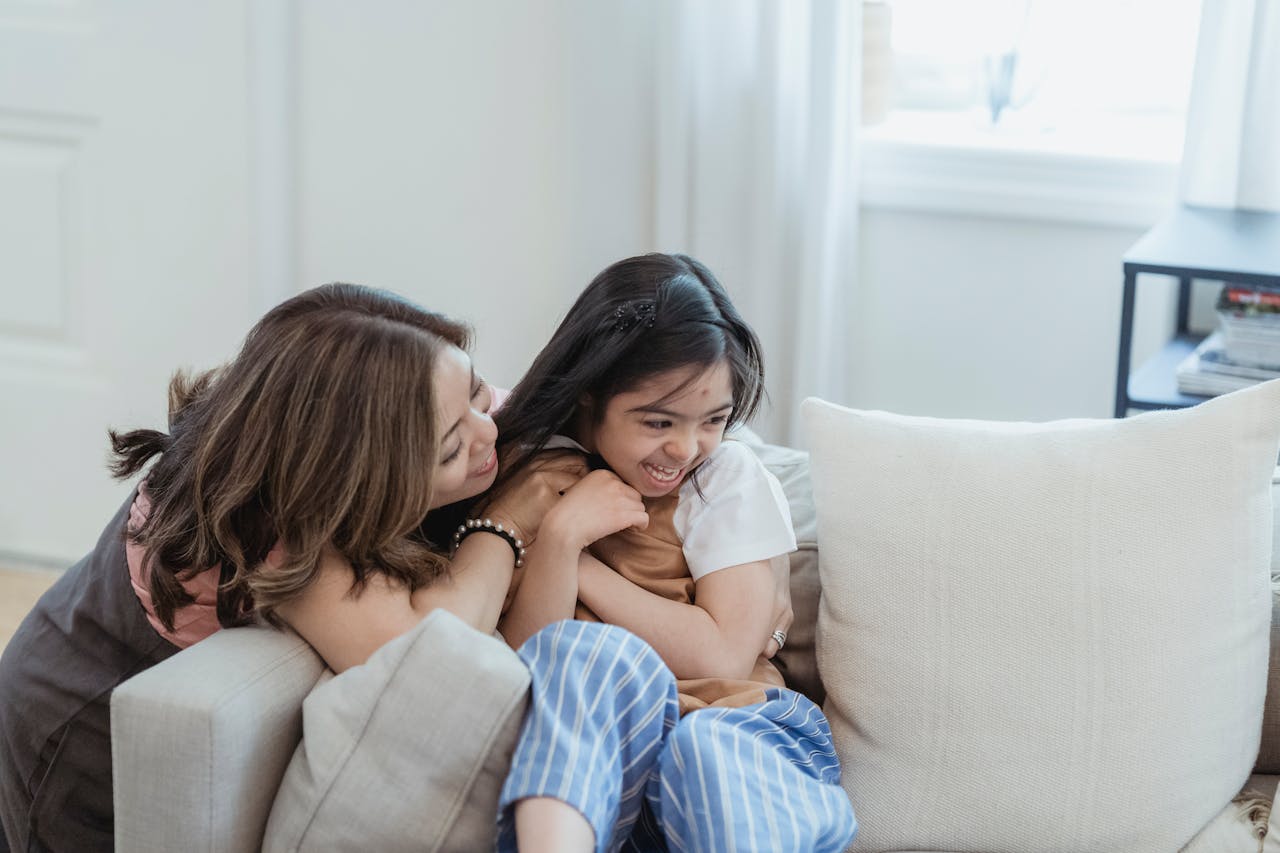

Bullying
Explaining to a child:
- bullying is when one or more children systematically hurt, humiliate, exclude, or hit another child;
- bullying is not a “joke”;
- it is never the fault of the child being bullied.
Conversations about violence should be simple and direct. Children under 10 need short, concrete phrases: “No one has the right to hit you”; “Even if it is a relative, they cannot touch your private parts”; “If someone scares you – that is wrong.”
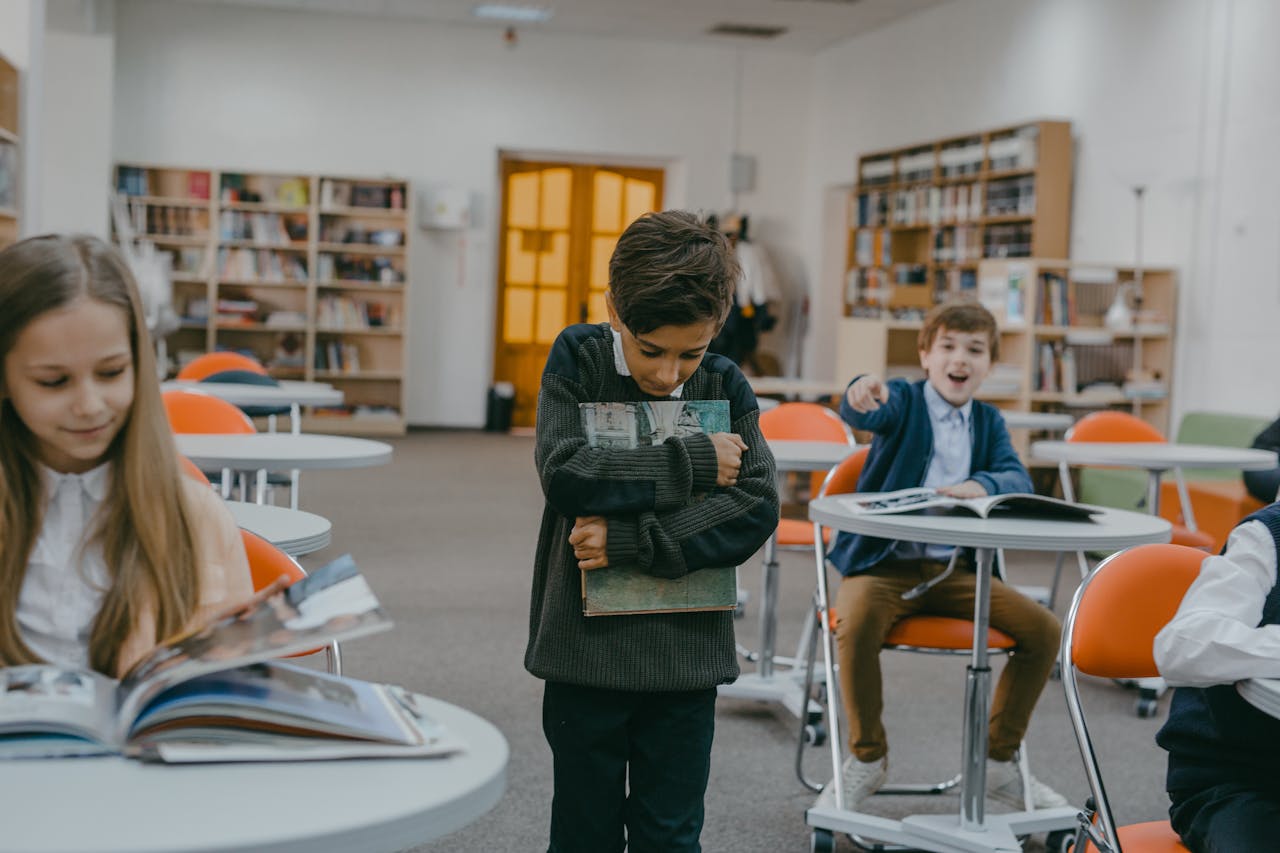
For teenagers, it is possible to explain cause-and-effect relationships, the law, and rights
It is important to call things by their proper names. Not “bad touches,” but:
“An adult touched your private parts. This is sexual violence. It is illegal. You are not at fault.”
Not “he just behaves badly,” but: “This is bullying. It is unacceptable.”
Not “she is nervous,” but: “This is domestic violence. She is causing harm.”
A child must know safety rules
"Your body belongs to you": your body is yours. No one can touch it without your consent.
"Swimsuit rule": all parts covered by a swimsuit/underwear are private.
"It is okay to scream and run": a child must know that in danger they can scream, run, and turn to any safe adult.
"Secrets about the body are not kept": if someone says "don’t tell anyone," the child should know this is a signal to immediately tell a trusted adult.
What to do if a child confesses about violence
This is the most critical moment. The adult must be a wall, not a storm.
Do not panic or shout.
The child shuts down if the adult reacts aggressively.
Express support: “Thank you for telling me,” “You did the right thing,” “This is not your fault.”
Do not ask clarifying questions that create guilt.
Not “why didn’t you run?” but: “I am with you,” “Now I will make sure you are safe.”
Never promise “don’t tell anyone”: safety is more important than a “secret.”
Next – take action: contact the police, doctor, psychologist depending on the situation.
Signs a child may be experiencing violence
Sometimes children do not speak directly but show it through behavior.
Possible signals:
- sudden mood changes;
- fears that appear suddenly (darkness, water, adults);
- regression: bedwetting, baby talk, clinginess;
- reluctance to be with a specific person;
- aggressiveness or, conversely, unusual passivity;
- avoiding school (due to bullying);
- physical complaints without medical causes;
- sexualized behavior inappropriate for age.
This does not always mean violence, but it is always a signal to be attentive.

How to support a child after a conversation about violence
Provide a sense of support: the child must know: “You are safe – I am here.”
Restore routine: a daily schedule gives a sense of stability.
Check the child’s psycho-emotional state from time to time, not only on the day of the conversation.
Normalize their emotions: fear, shame, anger – natural reactions.
Support their social connections, but do not force interaction with others if the child does not want to.
Prevent contact with the abuser, even if it is a relative.
Typical mistakes adults make:
“Don’t make it up,” “Be stronger,” “It’s your own fault – you shouldn’t have reacted,” “Don’t air dirty laundry,” “Maybe they’re just joking?” Such phrases create in the child a belief that their pain is unimportant, their truth is doubtful, and help is unavailable.
When a psychologist/social service is absolutely necessary
- signs of sexual violence;
- any form of physical violence;
- domestic violence witnessed by the child;
- regressive behavior that does not subside;
- severe anxiety, panic attacks;
- withdrawal, suicidal statements;
- bullying that continues despite reporting to the school.
A child must know three basic phrases; this is the core of child safety:
- “I have the right to say NO”
To anyone. Under any circumstances.
- “I can always tell a trusted adult”
And the adult is obliged to listen.
- “Violence is not my fault.” Never. Under no circumstances.
Talking to a child about violence is not about frightening them. It is about protection, clarity, and empowerment.
Counter–Trafficking NGO CoalitionPress Service
This is about ensuring the child knows:
- what is normal and what is unacceptable;
- that they have rights;
- that there are adults who will always take their side;
- that asking for help is brave;
- that their body, boundaries, and dignity are inviolable.
When we speak openly about violence – we do not traumatize.
We equip.
We save.
Latest news
Countering human trafficking in Ukraine since 2011

Today is not about dates, but about people
Those who were forced to work without pay, sold, involved in crimes, or exploited


0
victims